


High temperatures at low pressure
Mineral thermal oil derived from petroleum has certain characteristics that make it particularly suitable for transporting thermal energy under specific conditions.
Thermal oil is commonly used in systems that require high temperatures without the need for pressurization. This type of fluid allows for temperatures up to 300°C at atmospheric pressure, meaning in "open vessels.”
The thermodynamic characteristics of these fluids discourage their use in medium-low temperature systems (below 110°C) due to their viscosity, as well as because hot water is more efficient and manageable in those conditions.
Technological advancements have made synthetic fluids more affordable and accessible, leading to their increasing use in thermal energy transport.
Compared to mineral fluids, these fluids offer characteristics that make them more versatile in plant applications. They include fluids that can reach very high temperatures (up to 450°C) and fluids that remain liquid and have low viscosity even at temperatures below the freezing point of water.
The wider adoption of these synthetic fluids occurred when they were used to replace mineral fluids in existing systems, as they guarantee greater durability over time and less chemical degradation with temperature and the oxidizing action of air. For this reason, many plants originally designed for mineral oil have been retrofitted for use with synthetic fluids with appropriate modifications
Thermal oil allows for reaching high temperatures while remaining in a liquid state. This reduces the risks associated with system pressurization.
Thermal oil’s ability to remain liquid at high temperatures allows for
relatively simple and easy-to-maintain systems.
Thermal oil makes it possible to use atmospheric pressure systems, which
are often exempt from regulations on pressure vessels and systems.
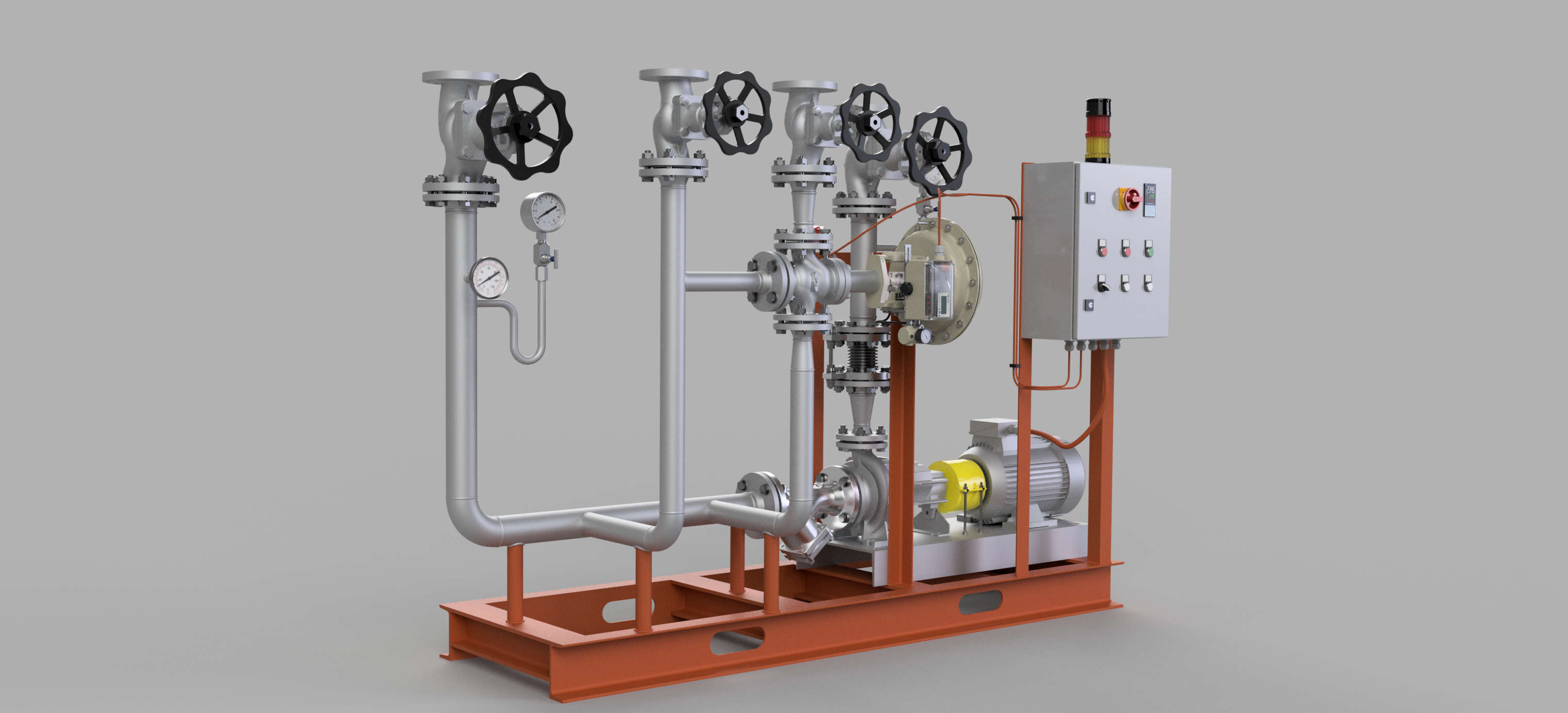
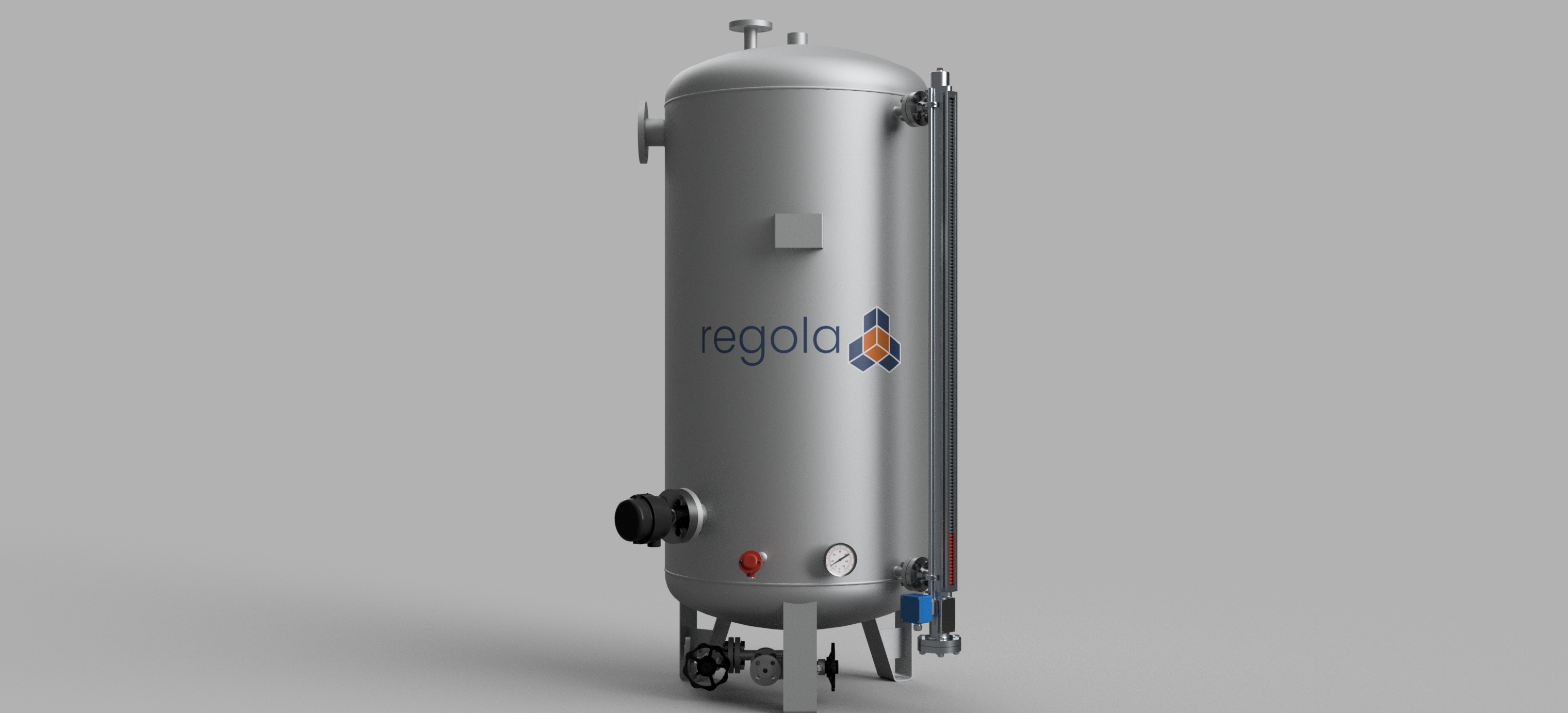
Here are some examples of our solutions using thermal oil.
Electric resistance heaters for mineral and/or synthetic thermal oil

Distribution manifolds for thermal oil systems with or without bypass

Piping systems for the circulation of thermal oil

Atmospheric or pressurized expansion tanks complete with safety equipment

These units allow for the control of temperature in machines that use thermal oil

For heat exchange between the oil and other heat transfer fluids for various applications

Pumping solutions to compensate for any circulation limitations in the system

These units facilitate the oil maintenance operations within the system