


For centuries, the most widely used heat transfer fluid
Steam is the most common heat transfer fluid used in industrial processes at medium temperatures. Industrial steam generators typically produce steam at pressures up to 12 bar and temperatures of 192°C, aligning with the pressure requirements of distribution networks within production facilities.
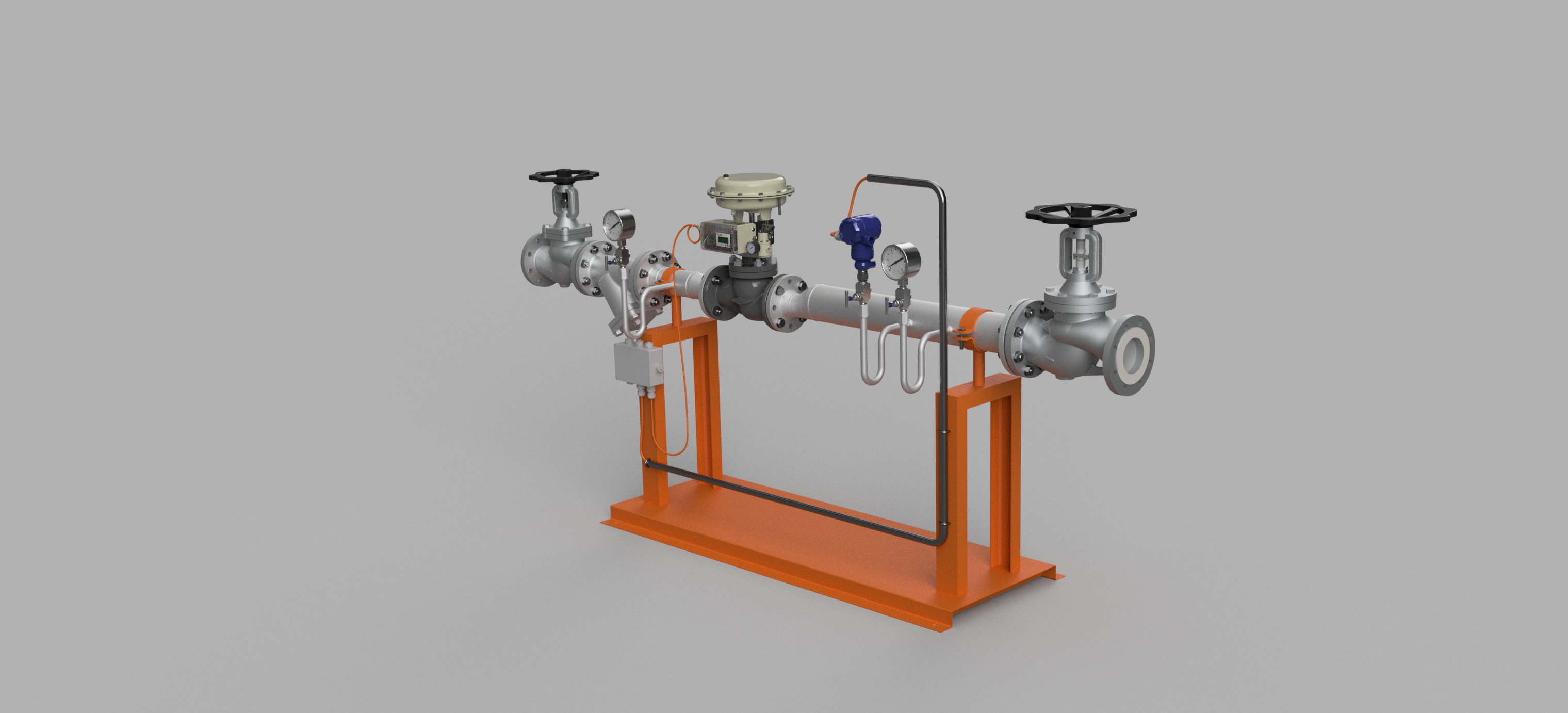
To effectively utilize steam in various machines within a plant, it's necessary to reduce pressure, adjust flow rates, and sometimes enhance steam quality (by improving the ratio of steam to entrained condensate). This requires condensate separation, control, and discharge systems within the distribution lines.
When saturated steam transfers heat to a process, it condenses into water and loses its ability to maintain the equilibrium temperature corresponding to its pressure. To ensure efficient heat transfer from incoming steam, the condensate formed within heat exchangers (the devices that transfer heat from steam to the process) must be effectively removed.
Automatic condensate drains are essential for this purpose, and their features vary depending on the specific steam application. Selecting the appropriate type of condensate drain is crucial for optimizing system efficiency.
Steam's ability to release heat during condensation makes it a highly
efficient medium for heat exchange. Throughout the condensation process, the
fluid's temperature remains constant relative to its pressure.
Because of this, steam allows for the use of smaller heat exchangers to
transfer the same amount of thermal energy compared to other fluids.
Steam does not require dedicated machinery (pumps) for its transport. In
fact, it can naturally flow through pipes without the need for auxiliary
thrust, losing only negligible amounts of pressure.
For the same power output, steam pipelines are smaller than those
required for other fluids.
Superheated steam is a less common heat transfer fluid because its generation requires more energy at the same pressure. It is typically used as a working fluid in turbines or other machines where even microscopic particles of condensate in the steam could cause damage.
Compared to saturated steam, superheated steam can reach higher temperatures at the same pressure, but with a lower energy transport capacity. Therefore, superheated steam is rarely used in process industries.
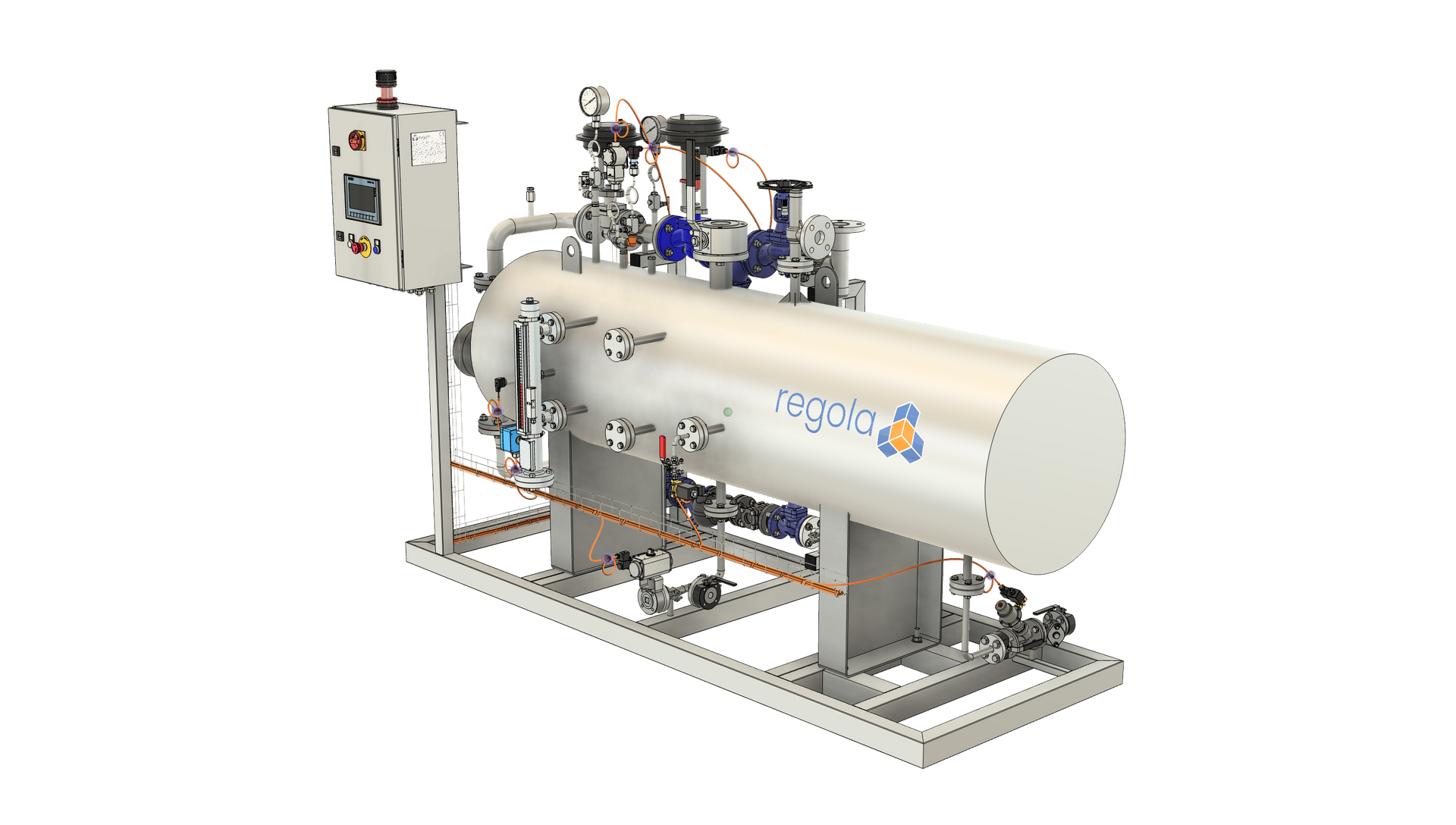
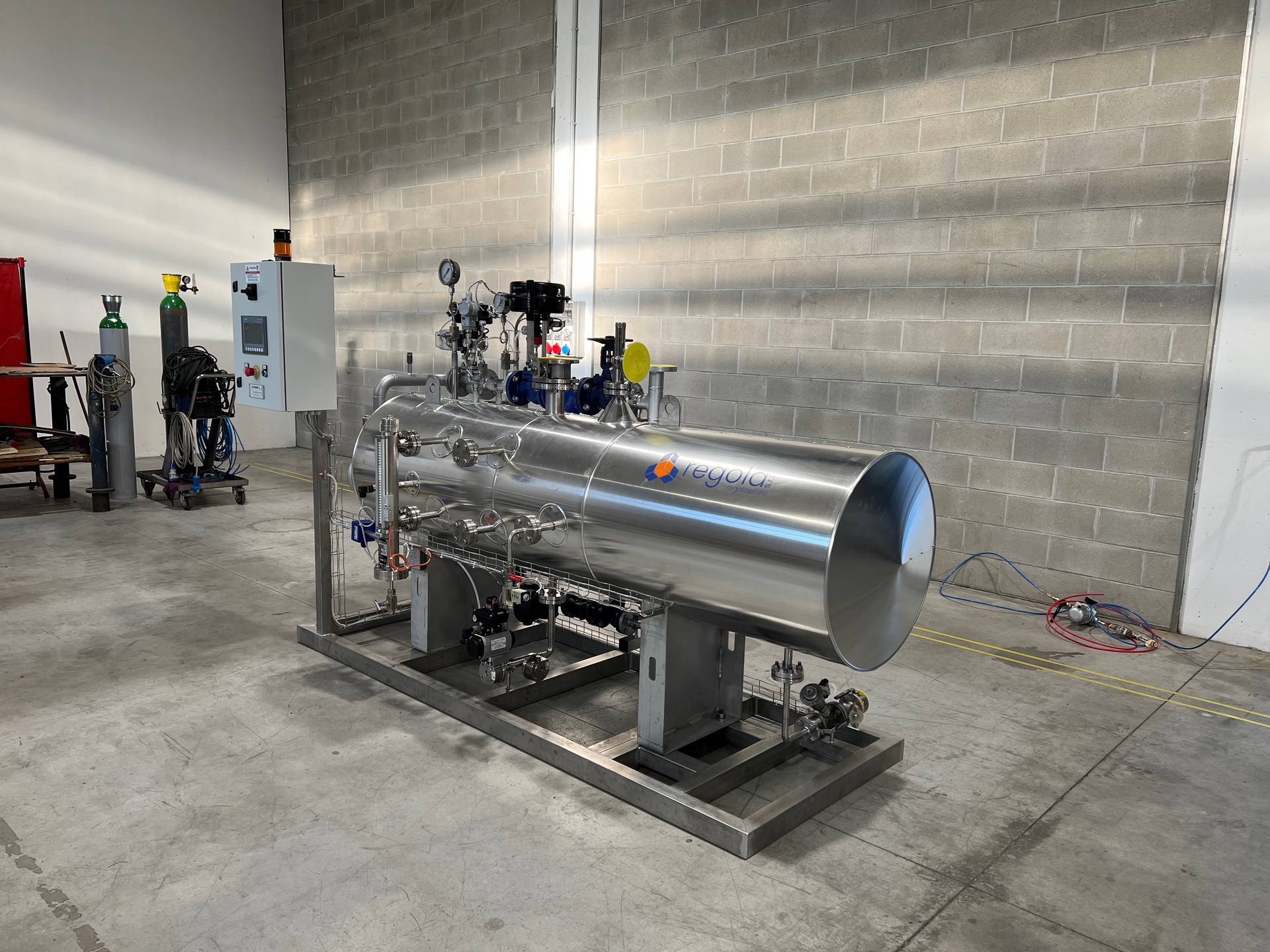
Here are some examples of our solutions using steam.

Indirect steam or thermal oil steam generators. Electric generators

Steam distribution manifolds for thermal power plants or distribution substations

Piping systems for steam distribution to all parts of the plant
Design of supports and drainage points

Steam pressure and flow control systems
Systems for exchanging heat with other fluids or industrial machines

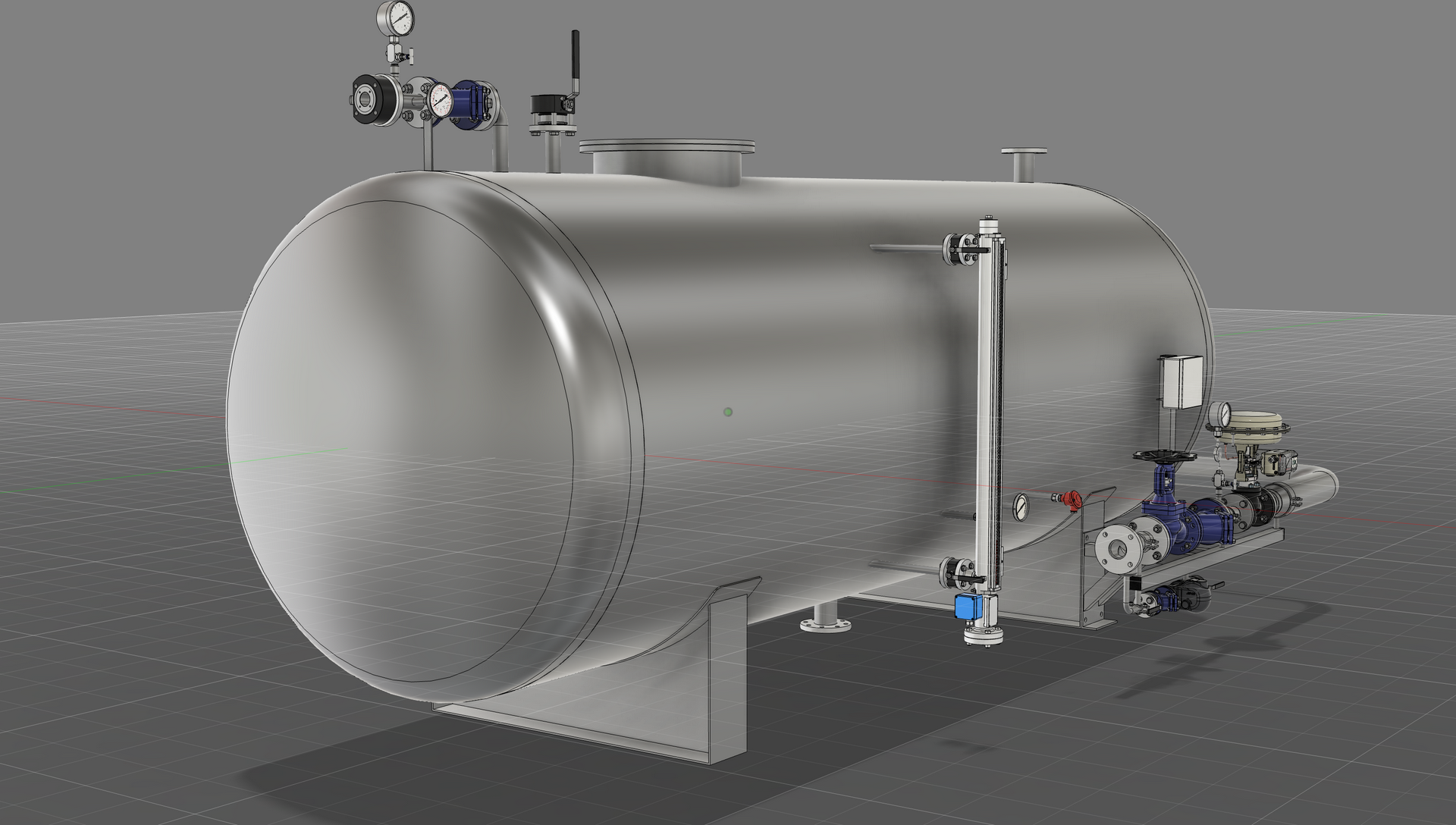
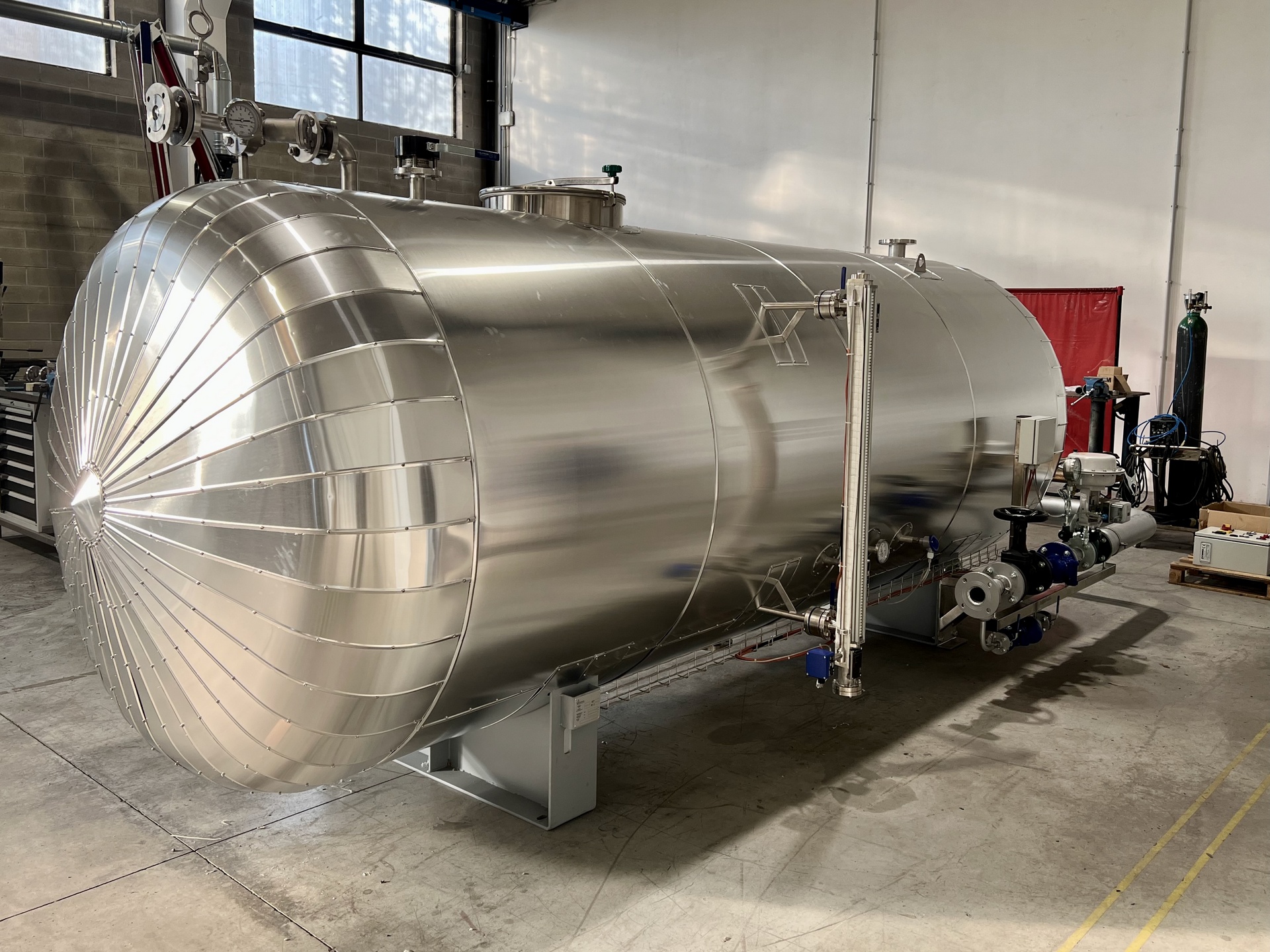
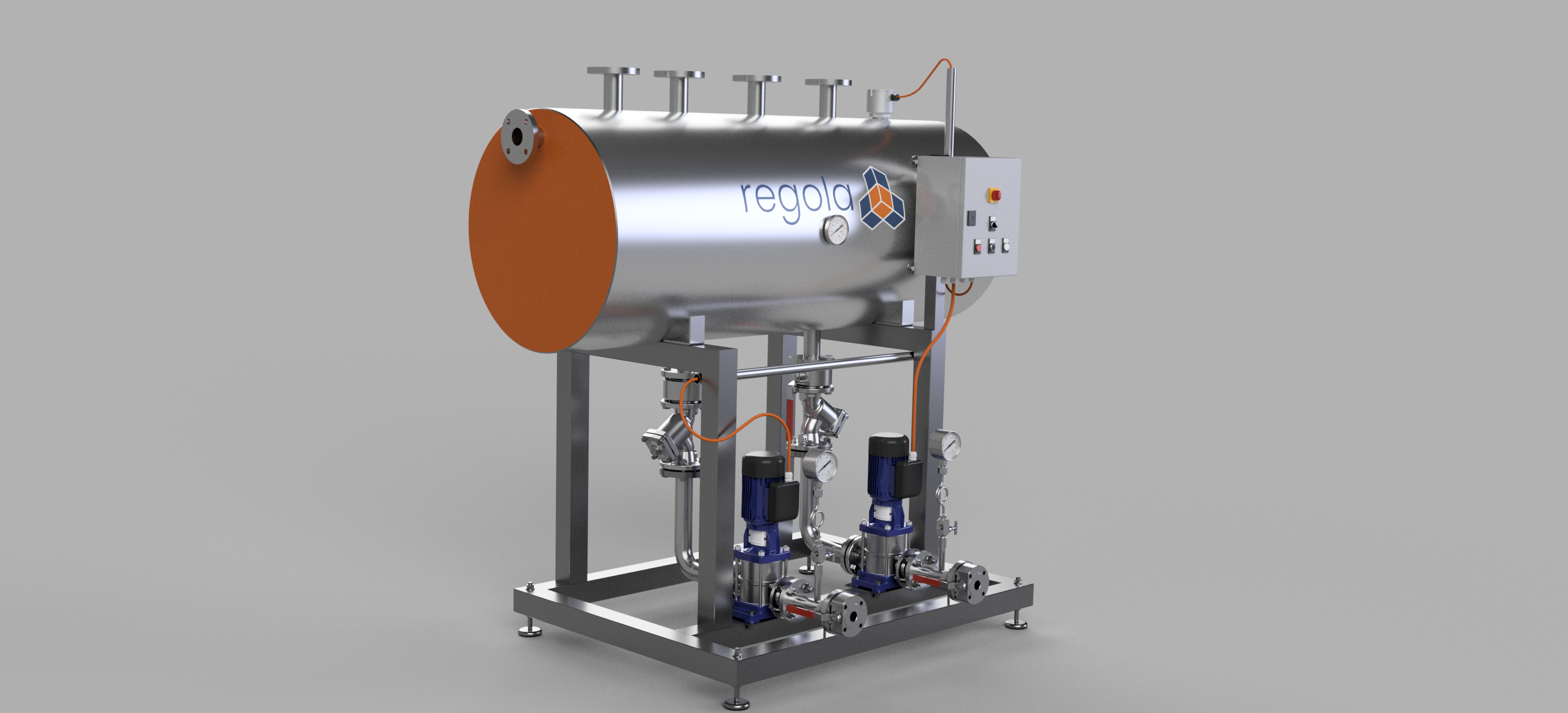
Condensate and makeup water deaerator tanks for generators

Condensate pumping units, both electric and steam-powered

Tanks to collect condensate from the different process lines